Counter Drone
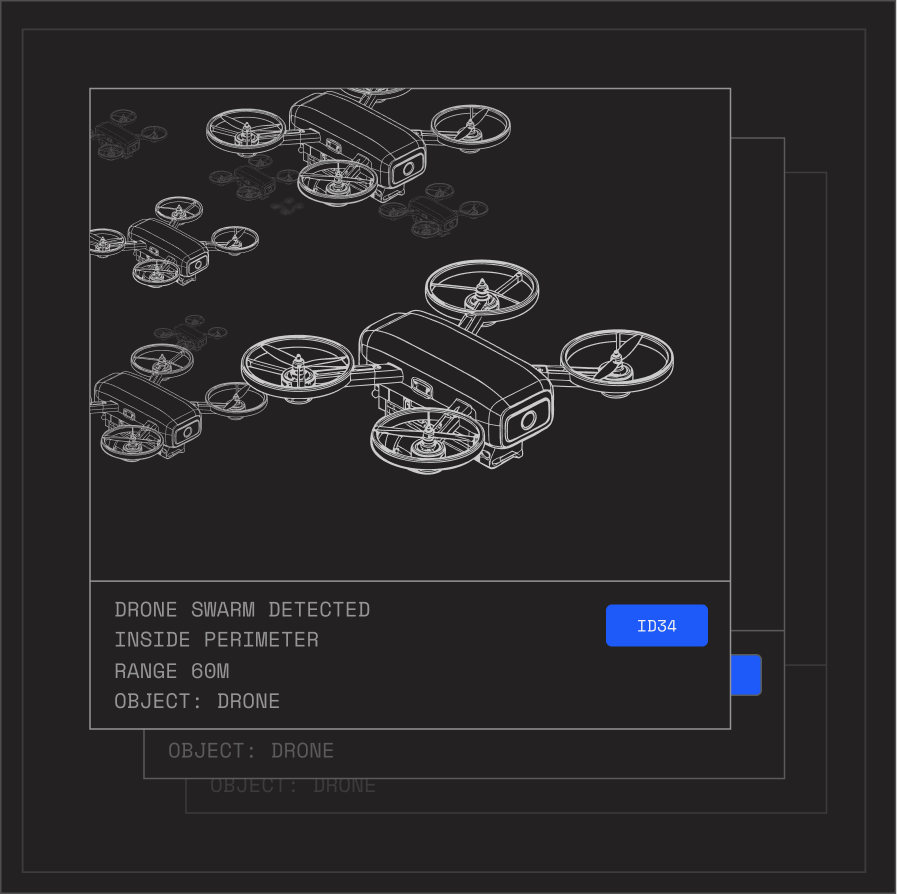
Drones are becoming smaller, smarter, and harder to detect. Stay ahead with MatrixSpace’s advanced detection and classification technology, built to identify what others miss and give you the confidence to act.
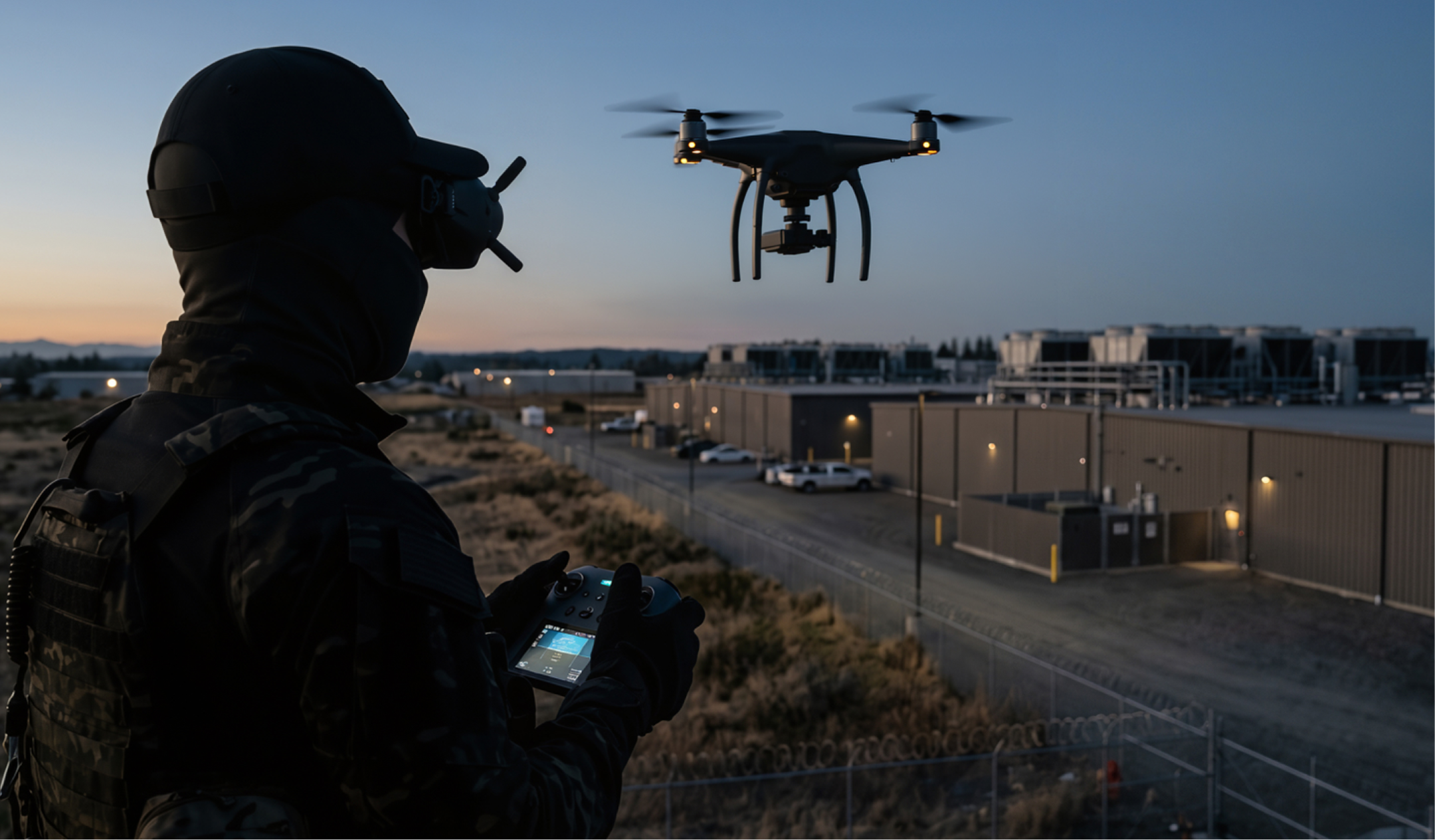
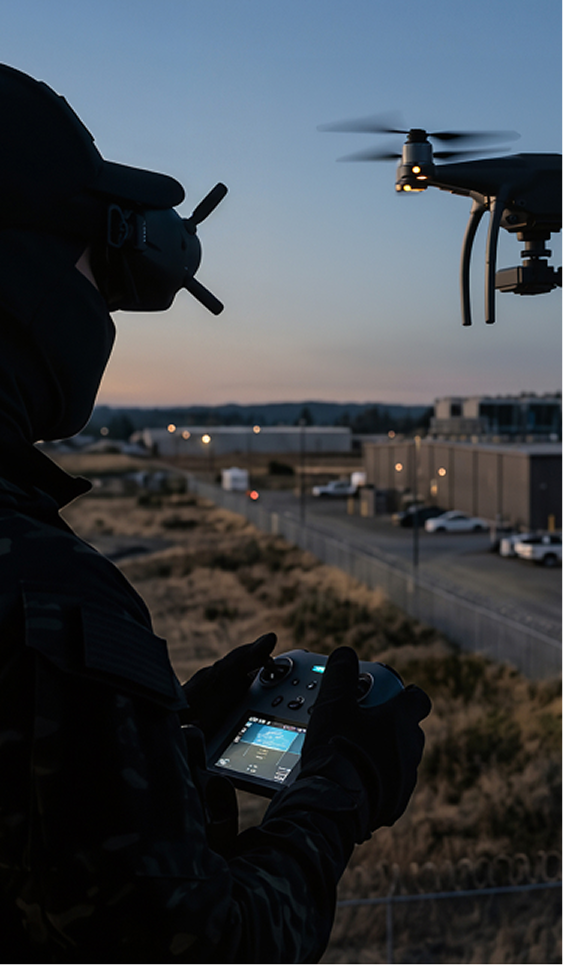
Dark vs. Compliant Drones
Drones have rapidly evolved into a significant security threat, capable of disrupting operations, gathering intelligence, and delivering harmful payloads. While some drones are operated with malicious intent, many are flown by recreational users who may appear harmless but still introduce real risk.
Even recreational drone use can create dangerous situations that security teams cannot ignore:
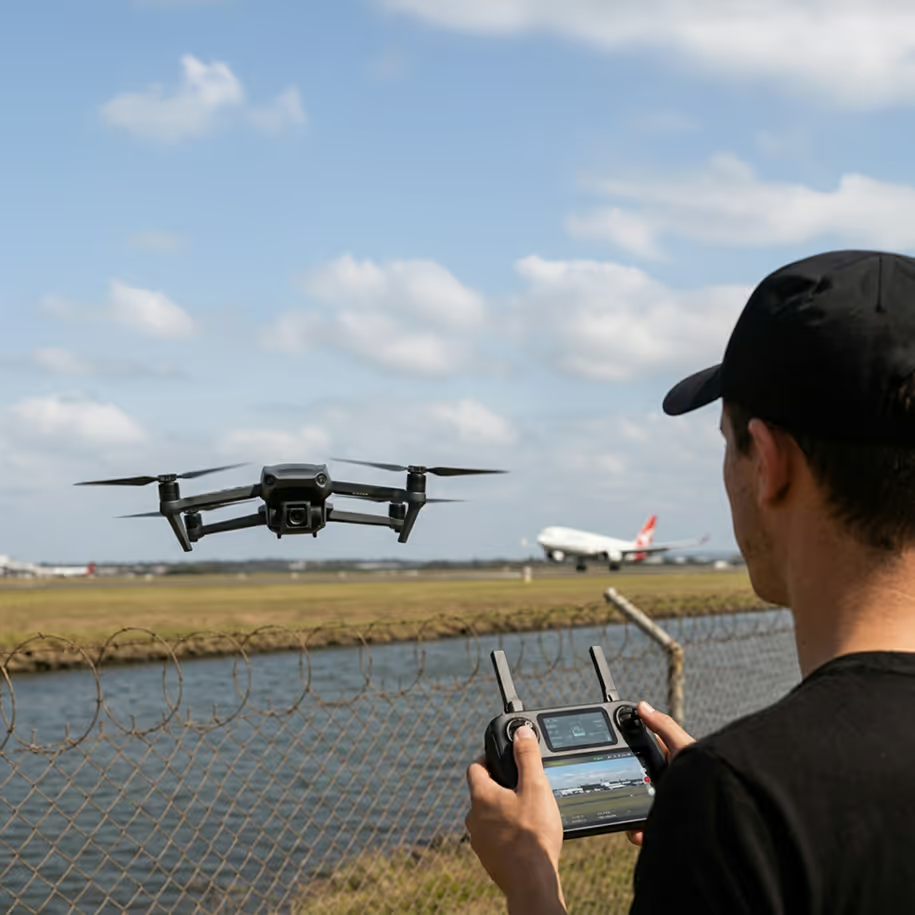
Dark drones do not broadcast identification like remote ID or operate using standard control signals, making them significantly harder to detect and track. These drones are increasingly used to evade detection and enable more advanced threats:

GPS routes with no active control link
Lorem
Lorem ipsum dolor asimet.
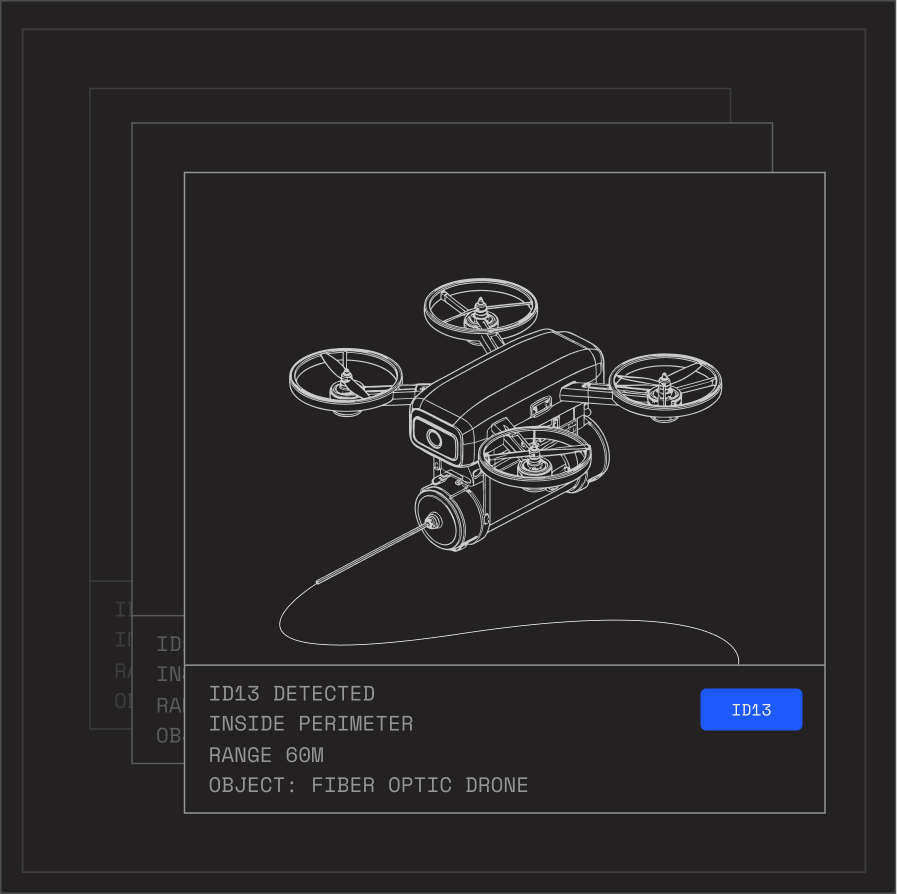
Ready for Every Drone Threat
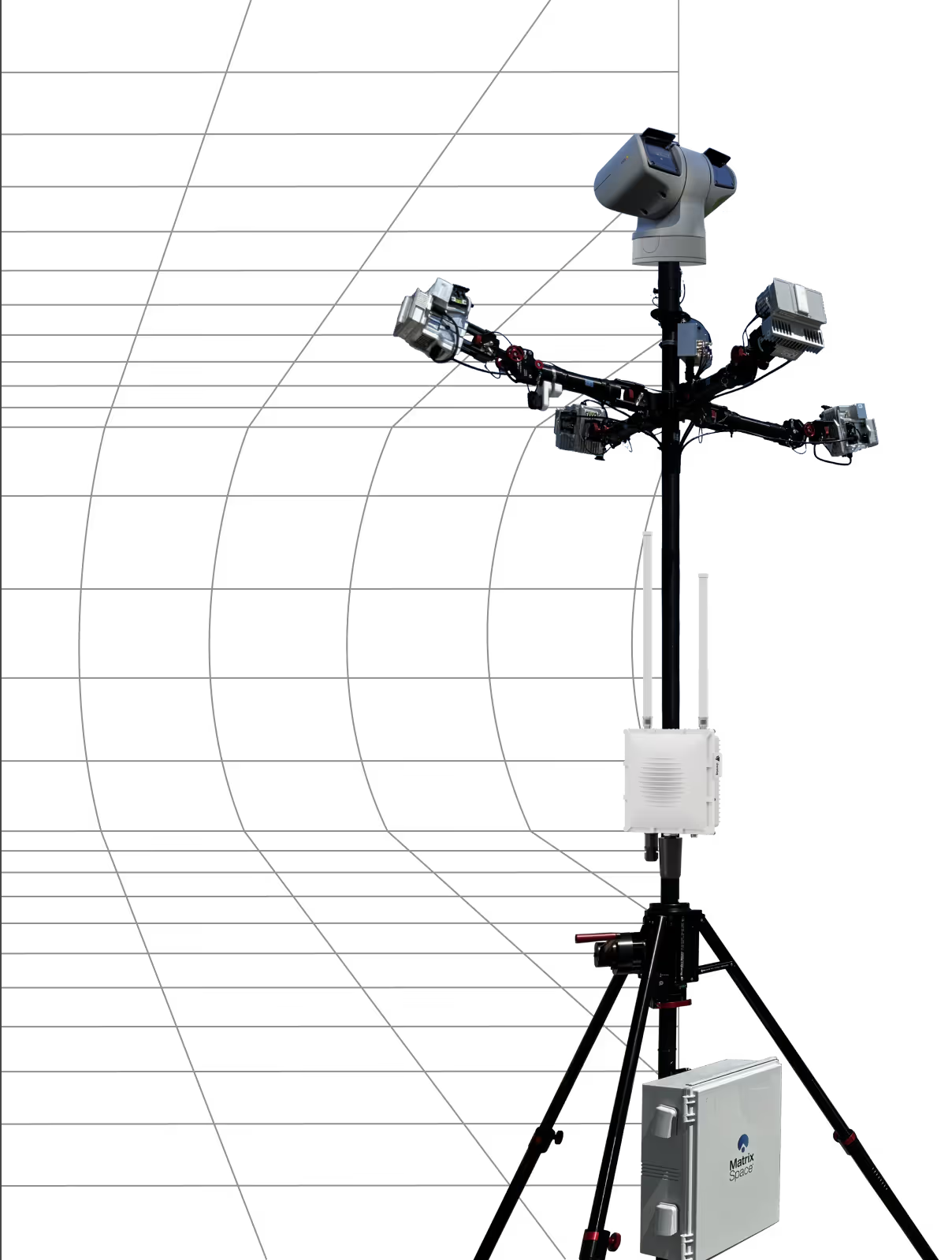
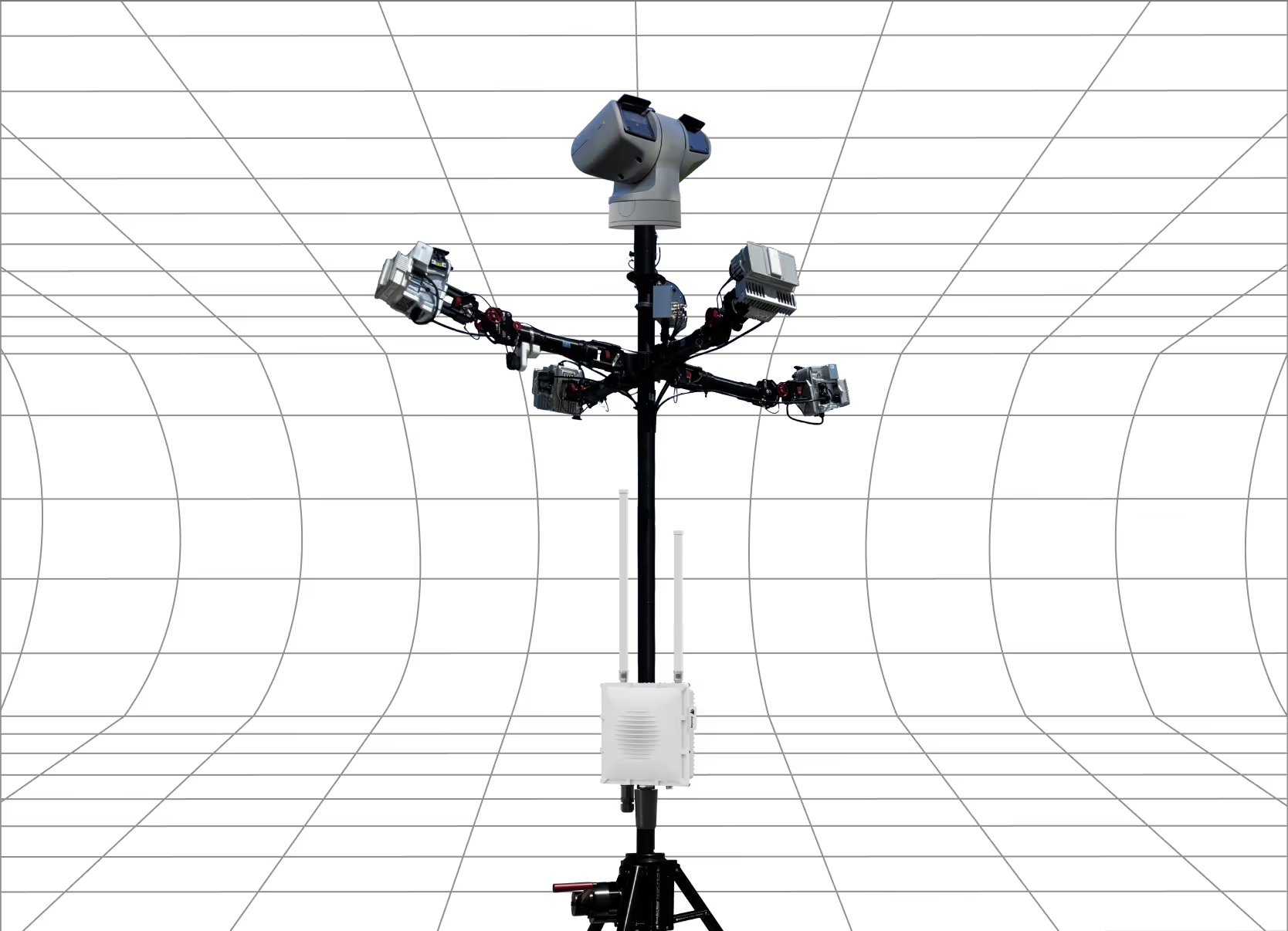
Radar, remote ID, and optical sensors work together to detect and track drones. Built for counter-drone use around critical sites.
Threat Truth or Dare: Layered Detection for Modern C-UAS
Addressing the evolving threats that small drones present to safety and security is top of mind now more than ever. Organizations are rapidly moving to evaluate and adopt tools that detect, track, identify, and defeat drones.
FAQ
Lorem ipsum
A negligent operator is someone who creates risk by mistake, poor judgment, or lack of awareness. They may fly in restricted airspace, ignore safety rules, or fail to follow Remote ID requirements, but their behavior is usually careless rather than intentionally harmful.
A malicious operator is someone who creates risk on purpose. They may intentionally avoid detection, disable identifying signals, fly without authorization, or use pre-programmed routes to make the drone harder to trace.
lorem ipsum
lorem ipsum
lorem ipsum
Lorem ipsum
Lorem ipsum
lorem ipsum
Lorem ipsum
Lorem ipsum
lorem ipsum
Lorem ipsum
Lorem ipsum